
Designing Indoor-Outdoor Living Spaces for Landed Homes
Interior Design Decisions Blog by D'Perception Ritz
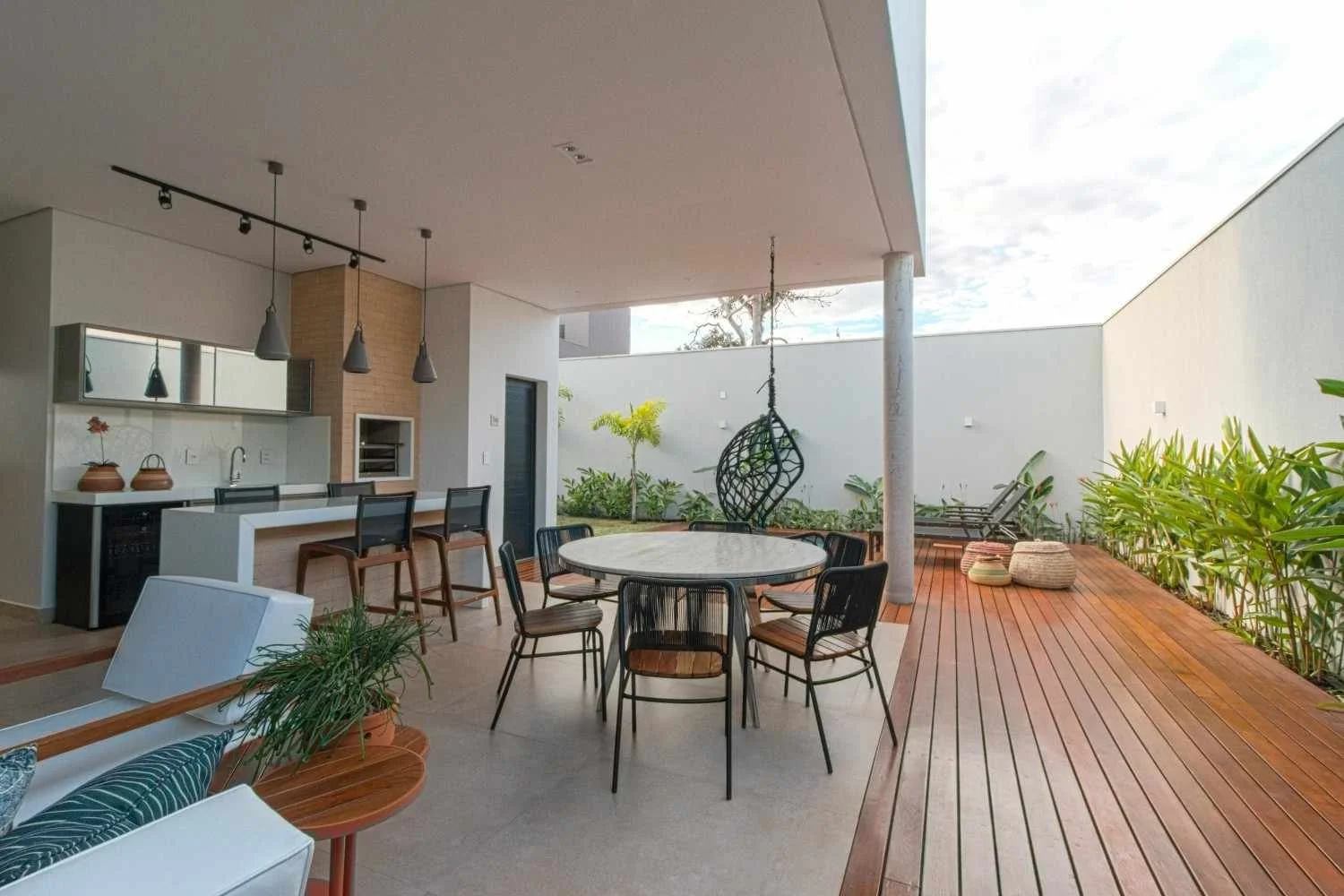
Landed homes in Singapore offer a rare opportunity to blur the boundaries between indoor and outdoor living. With generous layouts, gardens, patios, terraces and courtyards, these properties can be designed as one continuous living environment rather than separate zones.
A well-planned indoor-outdoor concept improves comfort, enhances natural ventilation and increases usable space. It also supports a resort-like lifestyle that feels open, relaxed and connected to nature.
At its core, this approach is about flow, function and harmony between architecture and environment.
Why Indoor-Outdoor Living Matters in Landed Homes
Unlike apartments, landed homes directly interact with the outdoors. Gardens, balconies and patios are not secondary spaces, they are extensions of daily living.
When designed properly, these areas become part of how you eat, relax and entertain.
Research on landed property interior design in Singapore highlights that outdoor integration improves ventilation, lighting and overall liveability, especially in multi-storey homes where air and light must be carefully managed across levels.
A strong indoor-outdoor connection also makes larger homes feel more cohesive rather than disconnected.
Planning a Seamless Spatial Flow
The most important principle is continuity. Indoor and outdoor areas should feel visually and physically connected.
This can be achieved through:
Consistent flooring materials or tones
Large sliding or folding glass doors
Aligned ceiling heights where possible
Clear sightlines from interior rooms to the garden
Space planning in landed homes should always consider movement between levels and zones to avoid fragmentation of space.
When flow is done well, stepping into the garden feels like entering another room rather than leaving the house.
A skilled interior designer in Singapore will carefully plan transitions between indoor and outdoor zones to ensure the layout feels natural and connected rather than fragmented.
Using Natural Light as a Design Feature
Natural light is one of the most powerful tools in indoor-outdoor design.
Large windows, skylights and open corridors allow daylight to travel deeper into the home. This reduces the need for artificial lighting during the day and creates a more uplifting atmosphere.
Courtyards are especially effective in landed homes as they bring daylight into central spaces and act as visual anchors between floors and rooms.
However, lighting design must also consider heat and glare, particularly in tropical climates. Strategic shading is essential to maintain comfort.
Creating Functional Outdoor Zones
Outdoor spaces should not be treated as leftover areas. Instead, they should serve clear lifestyle purposes.
Common outdoor zones in landed homes include:
Alfresco dining areas
Lounge or reading corners
Poolside relaxation decks
Garden entertainment spaces
Quiet meditation or green pockets
Many modern landed home designs treat outdoor spaces as “second living rooms”, complete with seating, rugs and ambient lighting for comfort and usability.
Defining zones ensures the space is used consistently rather than occasionally.
Choosing Materials That Work Indoors and Outdoors
Material selection plays a major role in creating harmony between indoor and outdoor areas.
The goal is to maintain a consistent design language while using materials that can withstand weather exposure.
Recommended materials include:
Natural stone or textured tiles
Treated timber or wood composites
Weather-resistant fabrics
Matte finishes for flooring continuity
Woven textures for soft furnishings
Using similar tones indoors and outdoors helps visually connect both areas, making the home feel larger and more unified.
Blending Landscaping with Interior Design
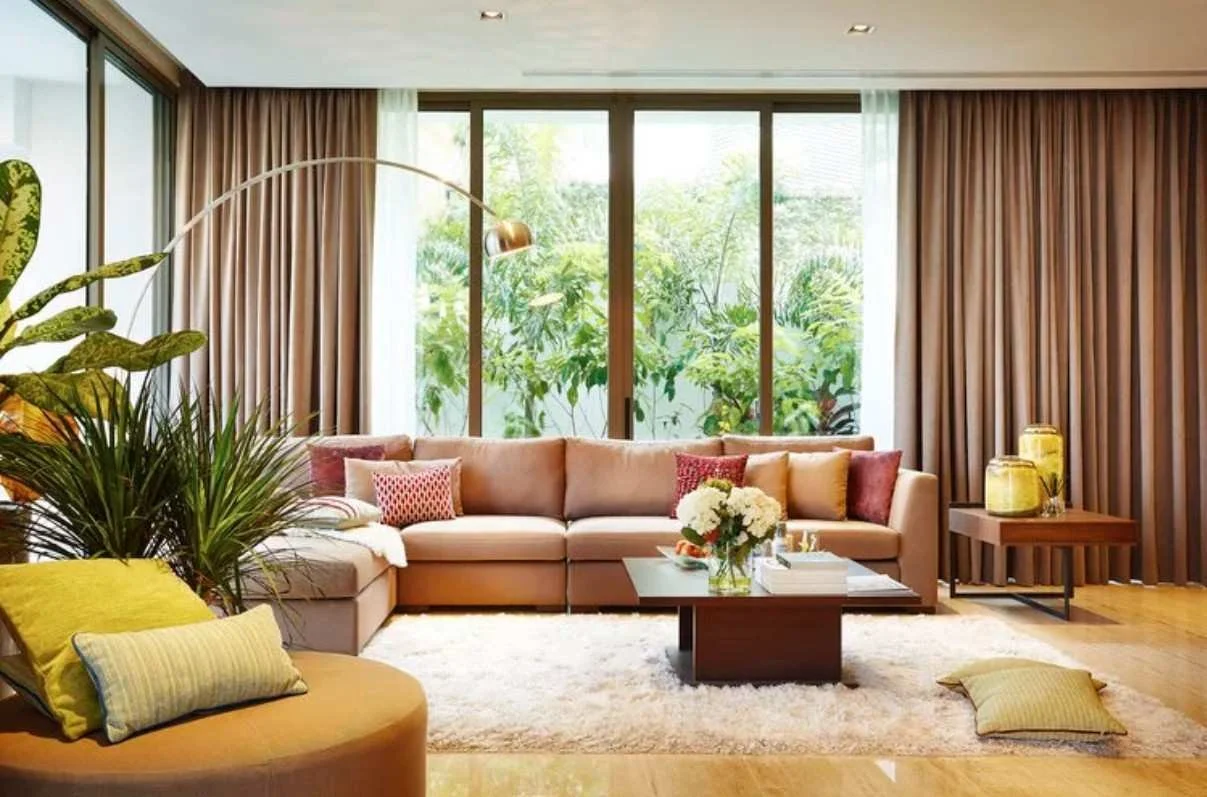
Landscaping is not separate from interior design in a well-planned landed home. It is part of the overall composition.
Plants can be used to:
Frame windows and views
Create privacy without heavy walls
Soften architectural lines
Introduce colour and texture naturally
Biophilic design principles, which integrate natural elements into living spaces, are increasingly popular because they improve comfort and create a calming environment.
Even small garden pockets or vertical greenery can dramatically change how indoor spaces feel.
Lighting for Evening Ambience and Safety
Indoor-outdoor living does not end at sunset. In fact, lighting becomes even more important at night.
A layered lighting approach works best:
Warm ambient lighting for overall glow
Task lighting for dining and cooking areas
Accent lighting for plants and architectural features
Path lighting for safety and navigation
Soft outdoor lighting creates a resort-like atmosphere while ensuring functionality and security.
Avoid overly bright floodlights, as they can break the mood and feel harsh in residential settings.
Designing for Singapore’s Climate
In tropical environments like Singapore, indoor-outdoor living must account for heat, rain and humidity.
Practical design considerations include:
Covered patios or pergolas for shade
Good cross-ventilation between rooms
Durable, non-slip outdoor flooring
Drainage planning for heavy rain
Ceiling fans in semi-outdoor zones
When these factors are addressed early in the design process, outdoor spaces become usable throughout the year rather than only in ideal weather.
Creating Privacy Without Closing Off Space
Privacy is a key concern in landed homes, especially in dense residential areas.
Instead of using solid barriers, consider:
Louvered screens
Vertical gardens
Strategic planting
Frosted or textured glass
Level changes between zones
These solutions maintain openness while still protecting personal space.
The goal is to feel connected to nature without feeling exposed.
Bringing It All Together: A Unified Living Experience
The best indoor-outdoor designs do not feel like two separate worlds. Instead, they feel like one continuous lifestyle experience.
When done well, your home can support:
Relaxed family living
Indoor-outdoor entertaining
Quiet retreat spaces
Flexible everyday use of gardens and terraces
Landed homes offer the flexibility to design beyond walls. The key is to think in terms of flow, light and lifestyle rather than individual rooms.
A thoughtful approach ensures your home feels balanced, functional and naturally connected to its surroundings.
If you are planning a landed home transformation, you can contact us at D’Perception Ritz for professional interior design services tailored to your lifestyle and space.
FAQs
-
It is a design approach that connects interior spaces with outdoor areas such as gardens, patios and terraces to create a seamless lifestyle experience.
-
You can use large sliding doors, consistent flooring, and aligned design elements to visually and physically extend the living room outdoors.
-
Weather-resistant materials such as natural stone, treated wood, composite decking and outdoor-grade fabrics work best for durability and consistency.
-
Covered areas, pergolas, proper drainage systems and waterproof furniture help ensure outdoor spaces remain functional in all weather conditions.
-
It improves natural light, ventilation, spatial flow and overall liveability, making large homes feel more cohesive and comfortable.